Yes, when the chair is built to support you for hours rather than to feel good the moment you sit down. Plenty of chairs get that the wrong way round, and you only find out a few weeks in.
Why Comfort Fades
The trouble rarely shows on day one. The chair feels great when you sit down. Then, a few hours into a long session or a few weeks after delivery, your lower back starts to tire, pressure builds around your hips and you keep shifting, looking for a position that lasts.
Softness is usually behind it. Comfort is not the same thing, and the chair that feels plush on day one is often the first to turn uncomfortable. Once a chair stops holding you, your body takes over the job. Your posture folds forward without you noticing, your lower back carries more of the load and the pressure gathers in a few spots. Focus drops, and sitting becomes something you put up with.
Lasting comfort needs support that keeps your spine in a natural position, a structure that spreads your weight evenly, and enough adjustment for the chair to follow how you sit. Take one of those away and you feel it in the second hour.
The Label Matters Less Than the Build
Many people assume an office chair is always the more comfortable pick. Office chairs are usually made for long hours with posture first, while plenty of gaming chairs are made around looks and that first impression. Their weak points are easy to spot: a loose cushion doing all the lumbar work on its own, foam that softens and loses its structure, and few adjustments.

That is a habit of many makers, not a flaw in the category. It is also the habit we set out to avoid.
What Makes a Chair Comfortable
You can check each of these before you buy.

- Lumbar support that is part of the chair. It belongs in the backrest, holding your posture without you thinking about it.
- Foam that holds its shape. The seat should still support you after months of use. When the foam sinks, the comfort goes with it.
- Even weight distribution. A good seat spreads your weight so pressure does not build up in one place.
- Adjustment. Armrests, seat height, tilt and recline let the chair fit your body. Without them, even a well-built chair can feel wrong.
- A stable build. A strong frame and base, smooth movement and a reliable gas lift are what let you forget you are sitting in it.
How APEX and NEO Handle It
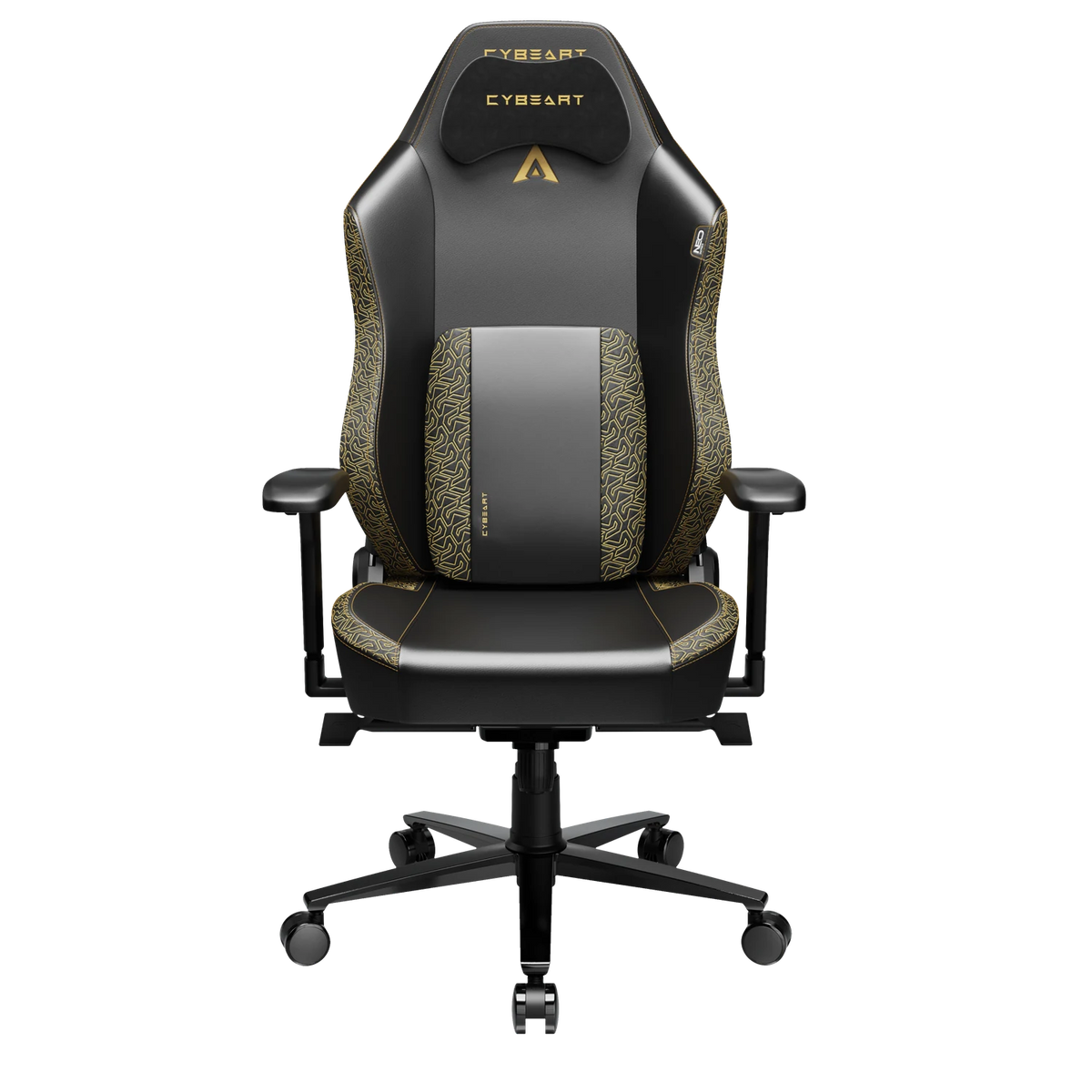
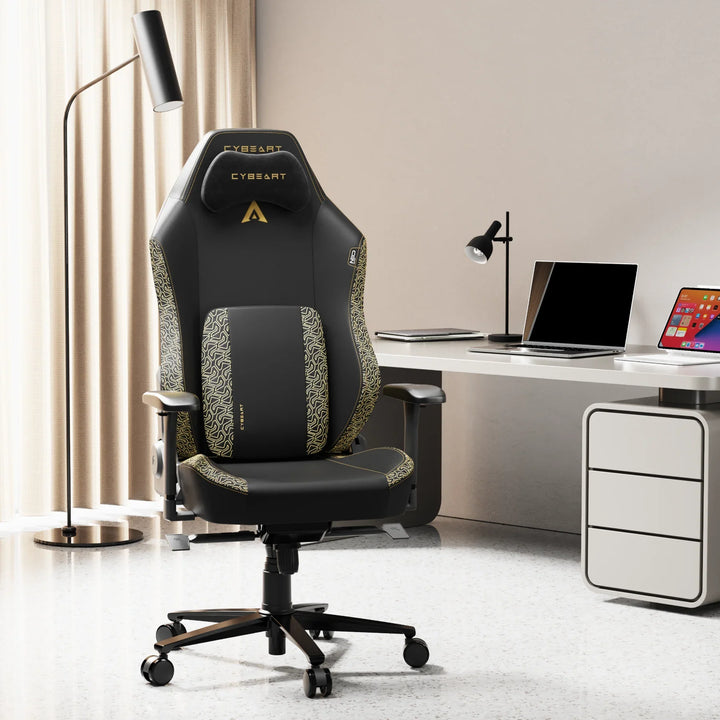
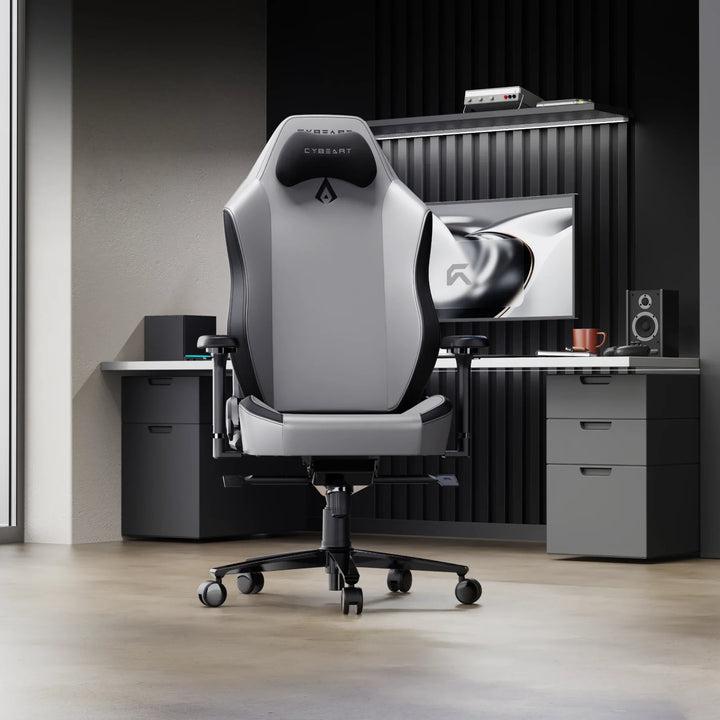
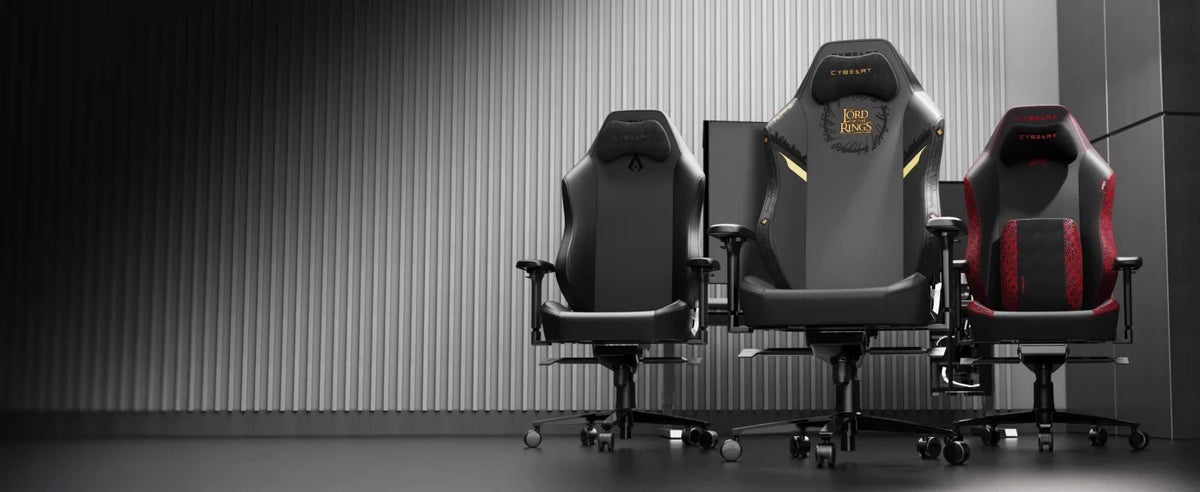
We judge a chair on day 30 and year 3, by whether it still feels right after hours in it. Our two chairs, APEX and NEO, share the same frame, dimensions, foam, neck pillow and mechanism.
- Cold-cured foam. High-density cold-cured moulded foam in the seat and backrest of both chairs.
- Lumbar support you set once. APEX has ErgoSync™, a built-in 4D lumbar with dual knobs for height and depth. NEO has a lumbar arch built into the backrest, plus a memory-foam lumbar pillow in the box.
- 4D armrests. They move in height, width, depth and rotation, with a padded concave top, so your arms rest where your desk is.
- Multi-tilt mechanism. BIFMA certified, with a multi-angle lock, recline up to 135° and seat tilt up to 30°, so you can change position through the day.
- Upholstery made for years of use. The Endura™ Nappa leatherette on APEX is certified by TÜV SÜD past 1,000,000 abrasion cycles; the NeoTex™ leatherette on NEO, past 200,000. Both breathe, and both resist sweat, moisture and UV.
Both chairs carry ANSI/BIFMA X5.1 certification, tested by SGS, and are rated to 330 lb (150 kg).
A Shopping Checklist
When you compare chairs, these are worth looking for.
- Lumbar support built into the backrest, and support that actually adjusts
- Foam that stays firm instead of compressing quickly
- Adjustable armrests, seat height, tilt and recline
- A strong, stable base
These are worth walking past.
- Chairs that feel very soft in the showroom
- Designs with little or no adjustment, or with limited tilt and recline
- Listings that talk about looks and say nothing about materials or testing
Judge It After a Long Session
The first few minutes tell you very little. Pay attention after a long session instead: how your back feels, whether the support has held, and whether the chair has adjusted to you or you to it. The gaming chairs comparison lays out both of ours, part by part.